Plumbing is an essential aspect of modern life, providing the infrastructure for delivering clean water and removing waste from homes, businesses, and industrial facilities. It encompasses a wide range of services and systems that ensure the proper functioning of water supply, sewage disposal, and the maintenance of plumbing fixtures and equipment.
Plumbing

Water Supply:

Plumbing systems are responsible for providing access to clean and potable water. This includes sourcing water from a municipal supply or a well, ensuring it is properly treated for safety, and distributing it to various points of use within a building. Plumbing fixtures such as faucets, sinks, and showers play a vital role in delivering water for drinking, cooking, bathing, and cleaning.

Drainage and Sewage: Equally important is the removal of wastewater and sewage from buildings. Plumbing systems carry used water away from fixtures, transporting it to sewage treatment plants or septic systems. Proper drainage is crucial for maintaining sanitary and hygienic living and working environments.

Pipe Systems: Plumbing systems utilize a network of pipes made from various materials like copper, PVC, and galvanized steel to transport water and waste. The choice of materials depends on factors like water quality, budget, and local building codes. These pipes are interconnected, branching throughout a building to reach individual fixtures.

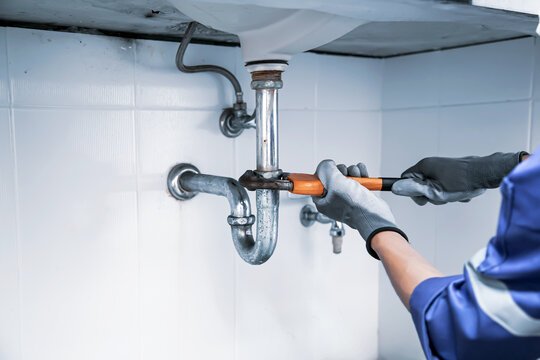
Repair and Maintenance: Plumbing systems require regular maintenance and repair to ensure they function efficiently. Common issues include leaks, clogs, and corroded pipes. Professional plumbers are trained to diagnose problems and provide solutions, ranging from simple fixes like unclogging drains to more complex projects such as repiping.

Emergency Services: Plumbing emergencies, such as burst pipes or sewage backups, can cause significant damage to properties. Emergency plumbing services are available 24/7 to address critical situations and minimize the impact of water damage.

Green Plumbing: With a growing focus on environmental sustainability, green plumbing practices have emerged. This includes the use of low-flow fixtures to conserve water, efficient water heaters, and eco-friendly sewage treatment methods. These practices aim to reduce water wastage and lessen the environmental impact of plumbing systems.

Regulations and Codes: Plumbing work is subject to strict regulations and building codes to ensure safety and quality. Plumbers must adhere to these standards, as well as obtain proper licenses and certifications to perform plumbing services.

Plumbers, as trained professionals in the field, are responsible for the design, installation, maintenance, and repair of plumbing systems. Their expertise ensures that buildings have reliable access to clean water and efficient waste removal, contributing to the health, safety, and convenience of occupants.

In conclusion, plumbing is a vital component of infrastructure, ensuring the delivery of clean water and proper waste disposal in our homes, businesses, and industrial facilities. Its significance cannot be overstated, as it directly impacts our health, comfort, and overall quality of life. The maintenance and repair of plumbing systems are essential to prevent issues and ensure their longevity, making plumbers an indispensable part of our modern world.