Scrap and dismantling, often referred to as scrap metal recycling, is a vital industry that plays a significant role in resource conservation, environmental sustainability, and the global economy. It involves the collection, processing, and recycling of various materials, particularly metals, that have reached the end of their usable life, whether due to wear and tear, obsolescence, or damage.
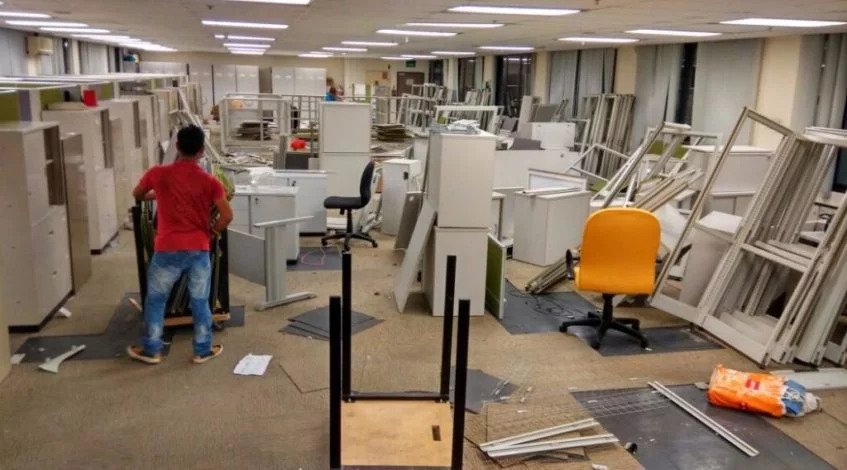
Scrap and Dismantling

Collection and Sorting:

The process begins with the collection of scrap materials. This can range from discarded household appliances, old automobiles, and construction materials to industrial machinery and electronic waste. To optimize the recycling process, scrap materials are typically sorted into categories such as ferrous (containing iron) and non-ferrous (without iron) metals. Common non-ferrous metals include aluminum, copper, and brass.

Dismantling and Demolition: In many cases, scrap materials are associated with structures, equipment, or vehicles that require dismantling or demolition. This may involve breaking down buildings, disassembling machinery, or crushing old cars into more manageable forms. The aim is to extract valuable materials and components for recycling.

Processing and Recycling: Once sorted and separated, the materials are processed to prepare them for recycling. Ferrous metals, like steel and iron, are typically melted down and reused for various applications, including the manufacturing of new steel products. Non-ferrous metals are also melted down or further processed to create new products.

Environmental Benefits: Scrap and dismantling provide numerous environmental benefits. Recycling scrap metals reduces the need for mining, which is resource-intensive and can have negative environmental consequences. It also conserves energy, as recycling metals typically requires less energy than producing them from raw materials. Furthermore, recycling helps divert waste from landfills, reducing the burden on waste management systems and conserving valuable landfill space.

Economic Significance: The scrap and dismantling industry has a substantial economic impact. It generates employment opportunities, from those involved in the collection and processing of materials to those working in the manufacturing sector that uses recycled metals. Additionally, the market for recycled materials can be influenced by global demand and market prices, making it an important part of international trade.

Environmental Regulations: The industry is subject to environmental regulations and standards to ensure responsible and safe recycling practices. This includes the proper handling of hazardous materials, such as fluids in automobiles, as well as the management of emissions and waste in compliance with environmental laws.

In conclusion, scrap and dismantling are essential components of the recycling industry, contributing to resource conservation, reduced environmental impact, and economic growth. By recycling materials like metals, the industry supports sustainability and the responsible management of waste materials, providing both environmental and economic benefits for society at large.