
Electrical systems and technology are at the core of modern society, powering our homes, industries, transportation, and communication networks. The field of electrical engineering and technology encompasses a wide range of applications and innovations that have transformed the way we live, work, and interact with the world.
Electrical

Generation and Distribution:

The production and distribution of electricity involve power plants, transformers, and a complex grid of transmission lines. Electricity can be generated through various methods, including fossil fuels, nuclear energy, renewable sources like solar and wind, and more. This energy is then transmitted over long distances to reach homes, businesses, and industries.

Electricity in the Home: At the residential level, electricity is indispensable for lighting, heating, cooling, and powering appliances and electronic devices. Electrical systems in homes are designed to ensure safety, efficiency, and reliability. Smart homes have become increasingly popular, integrating electrical technology to provide automation, energy management, and enhanced security.

Industrial Applications: Electrical technology plays a pivotal role in industries, powering manufacturing processes, robotics, and automation. It’s vital for maintaining production lines, controlling machinery, and ensuring worker safety. Industrial electrical systems are designed to handle high loads and operate 24/7.

Transportation: Electric vehicles (EVs) and electric trains have emerged as eco-friendly alternatives to traditional gasoline-powered vehicles. They rely on electricity for propulsion, reducing emissions and dependence on fossil fuels. Charging infrastructure is continually expanding to support the growth of electric transportation.

Communication and Information Technology: The backbone of modern communication relies on electrical engineering, from telecommunication networks to the internet. Electrical components like transistors and integrated circuits are essential for processing and transmitting data, enabling global connectivity.

Renewable Energy: Electrical technology is critical in harnessing renewable energy sources, such as solar panels and wind turbines. These systems convert natural resources into electricity for sustainable power generation.

Electrical Safety: Safety is a paramount concern in electrical engineering. Strict standards and regulations govern the design, installation, and maintenance of electrical systems to prevent accidents, fires, and electrocutions.

Innovation and Research: Ongoing research and innovation in electrical engineering drive advancements in power generation, energy storage, and smart grid technology. These developments aim to improve energy efficiency, reduce environmental impact, and enhance reliability.

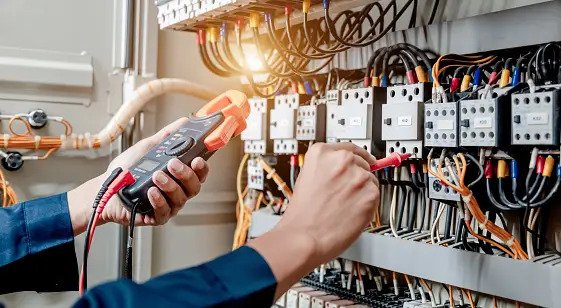
Electrical engineering professionals, such as electrical engineers and electricians, are responsible for designing, installing, and maintaining electrical systems. They play a vital role in ensuring the safe and efficient operation of electrical technology across various applications.

In conclusion, electrical technology is an integral part of our daily lives, powering our homes, industries, transportation, and communication networks. It continues to evolve and drive innovation, offering solutions for cleaner and more efficient energy use while shaping the future of technology and connectivity.