
Air conditioning, often abbreviated as AC, is a technology that has become an integral part of modern life. It involves the process of cooling and dehumidifying indoor air to maintain comfortable temperatures and improve air quality. Air conditioners are commonly found in homes, offices, commercial spaces, vehicles, and even industrial facilities, offering numerous benefits and essential comfort in hot and humid climates.
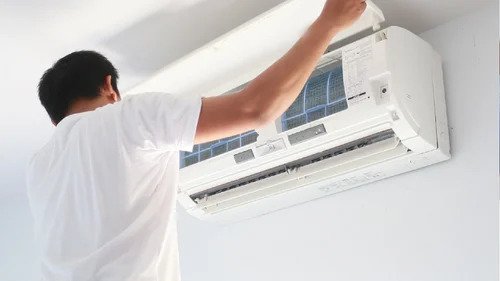
Key Components and Operation:

Air Conditioner

Refrigerant: Air conditioners use a special chemical substance known as a refrigerant that cycles between a gaseous and liquid state. This refrigerant is responsible for absorbing heat from indoor air and releasing it outdoors.

Evaporator Coil: Inside the indoor unit, warm air is blown over the evaporator coil, where the refrigerant absorbs heat and evaporates, cooling the air.

Compressor: The heated, gaseous refrigerant is then compressed by the compressor, which increases its temperature and pressure.

Condenser Coil: The high-pressure refrigerant is sent to the outdoor unit’s condenser coil. Here, the refrigerant releases the absorbed heat, returning to a liquid state.

Fan: A fan in the outdoor unit blows air over the condenser coil, dissipating the heat into the atmosphere.

Expansion Valve: The refrigerant is then expanded by passing through an expansion valve, which reduces its temperature and pressure, preparing it to cycle back to the indoor unit.

Benefits of Air Conditioning:

Health: Air conditioning can improve indoor air quality by filtering out pollutants, dust, and allergens.

Productivity: Maintaining a comfortable temperature in workplaces and homes can enhance productivity and focus, as extreme heat can be distracting and exhausting.

Preservation: Air conditioning helps protect furniture, electronics, and perishable items by controlling temperature and humidity levels, preventing damage from extreme conditions.

Energy Efficiency: Modern air conditioning systems are designed to be energy-efficient, reducing electricity consumption and environmental impact.

Types of Air Conditioners:

Central Air Conditioning: This system cools an entire building or home and distributes conditioned air through ducts and vents.

Window Air Conditioner: These are standalone units placed in a window or a hole in a wall. They are suitable for cooling individual rooms.

Split Air Conditioner: These systems consist of two units—an indoor unit and an outdoor unit. They are versatile and can be used for both single-room and multi-room cooling.

Portable Air Conditioner: These units are mobile and can be moved from room to room. They are ideal for cooling specific areas.

Ductless Mini-Split: Similar to split air conditioners, these systems provide zoned cooling and are highly energy-efficient.

Air conditioning has become an essential technology for maintaining comfort and well-being in various settings. It continues to evolve, with innovations in energy efficiency, smart technology integration, and environmental sustainability, ensuring that it remains a valuable and indispensable part of our daily lives.