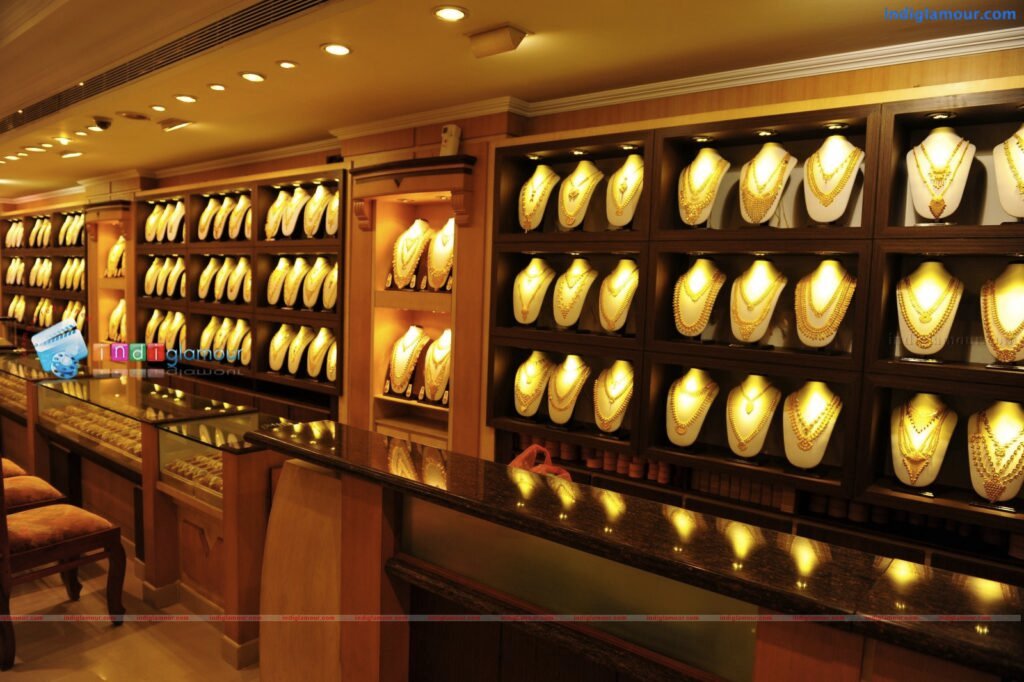
A showroom is a specialized retail space or facility designed to showcase and display products, merchandise, or services in an attractive and engaging manner. Showrooms serve as a critical component of the marketing and sales strategies of various businesses, from automobile manufacturers and furniture retailers to fashion brands and technology companies. They are created with the primary goal of presenting products in a visually appealing and immersive environment, allowing customers to experience them firsthand.

Showroom

Key Elements of a Showroom:

Product Display: Showrooms are designed to display products in an organized and aesthetically pleasing manner. This may involve arranging items on shelves, racks, or specialized fixtures to highlight their features and benefits.

Aesthetic Design: The interior design of a showroom is carefully planned to create a visually appealing and immersive atmosphere. It often aligns with the brand’s identity and values, using elements like lighting, colors, and materials to convey a specific image.

Interactive Features: Many showrooms incorporate interactive elements to engage visitors. These can include product demonstrations, touchscreens, virtual reality experiences, or live presentations.

Product Information: Clear and informative product descriptions and pricing details are typically provided to help customers make informed decisions.

Customer Experience: Showrooms are designed to offer a positive and memorable experience for visitors. This may include comfortable seating areas, refreshments, and a friendly and knowledgeable staff to assist customers.

Benefits of Showrooms:

Hands-On Experience: Showrooms offer customers the opportunity to see, touch, and interact with products, helping them make informed purchasing decisions.

Brand Visibility: Showrooms serve as powerful branding tools, reinforcing a brand’s image and identity in a tangible way.

Customer Engagement: Interactions with knowledgeable staff can enhance customer engagement and build trust.

Market Research: Many companies use showrooms to launch new products, generating excitement and anticipation among customers.

Product Launches: Many companies use showrooms to launch new products, generating excitement and anticipation among customers.

Challenges of Showrooms:

Operating Costs: Running a showroom can be expensive, including costs related to rent, interior design, and staffing.

Competition: In competitive markets, multiple brands may operate showrooms, making it challenging to stand out.

Digital Competition:

In conclusion, showrooms are an essential component of retail and marketing strategies, serving as experiential spaces where customers can engage with products and brands on a personal level. They offer a unique opportunity to create brand awareness, offer exceptional customer experiences, and drive sales, making them a valuable asset for businesses across various industries. As technology continues to evolve, showrooms may increasingly incorporate digital and interactive elements to enhance the customer experience further.